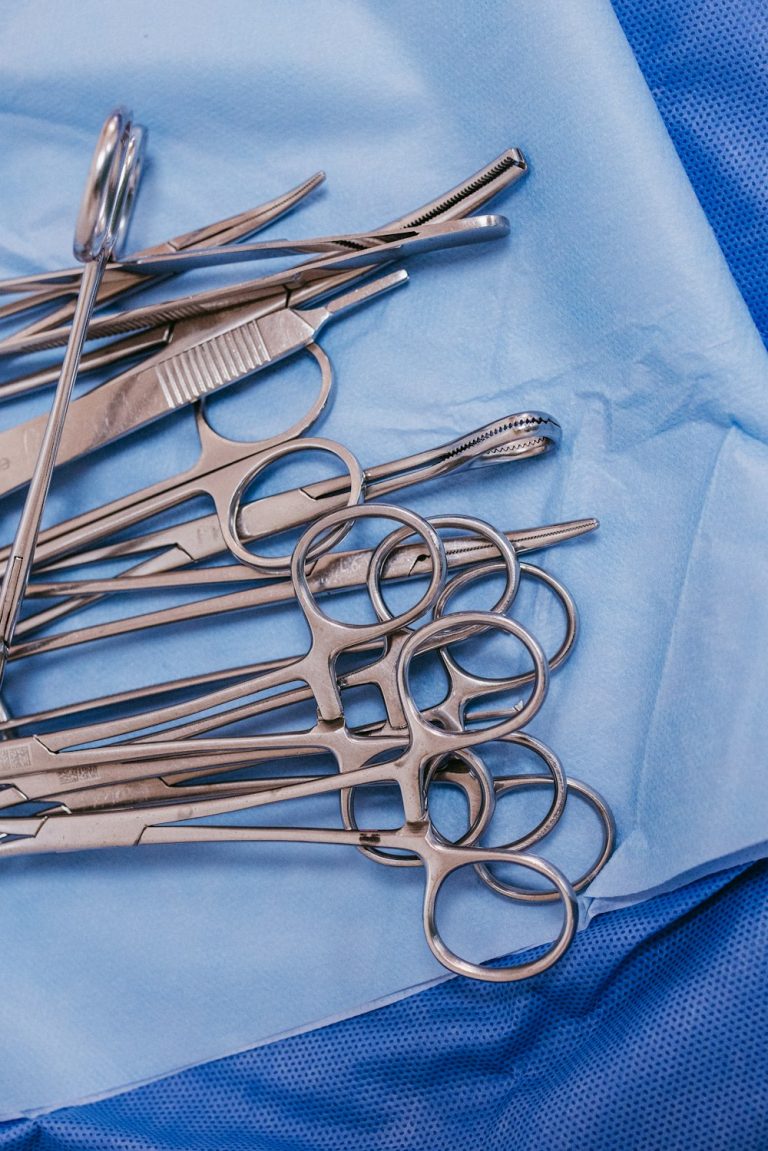
Tissue forceps: when to use toothed and when to use non-toothed
Toothed forceps hold firmly with less pressure; non-toothed forceps protect delicate tissue. A practical guide to the patterns on most trays.
Read article
Insights
Practical guides to choosing, using and caring for surgical instruments — from the Interscan Surgical team.
Toothed forceps hold firmly with less pressure; non-toothed forceps protect delicate tissue. A practical guide to the patterns on most trays.
Read articleBoth are workhorse theatre scissors, but they are built for very different tissue. Here is how to tell them apart and when to reach for each.
Read articleExtraction forceps are shaped for a specific jaw and tooth. How to tell upper from lower patterns and what the beak shape tells you.
Read articleArtery forceps all clamp, but jaw pattern, teeth and length change what each one is for. A practical guide to the patterns you will see most.
Read articleKnowing which instrument belongs to which set saves time and supports traceability. The main marking options and their trade-offs.
Read articleSingle-use instruments remove reprocessing, while reusable instruments last for years. How to compare the real cost of each.
Read articleGood handling between use and sterilisation does more for instrument life than anything else. Simple habits that keep instruments working for years.
Read articleSend your list — names, codes or a full tray — and we’ll reply with availability and pricing.