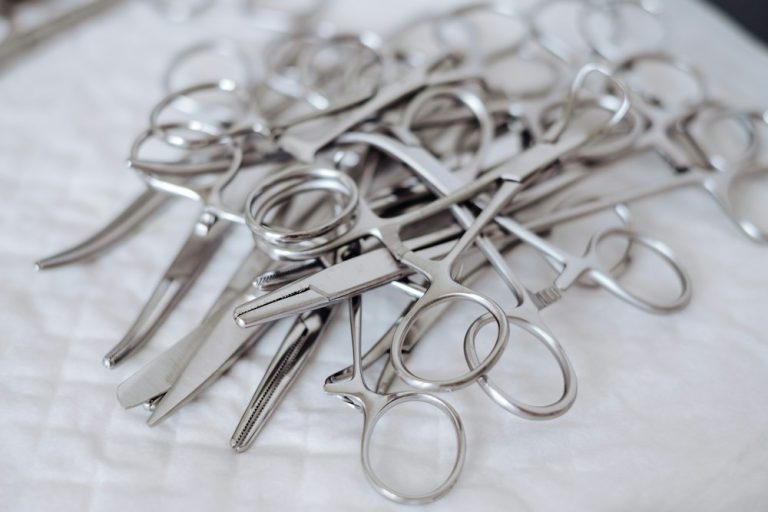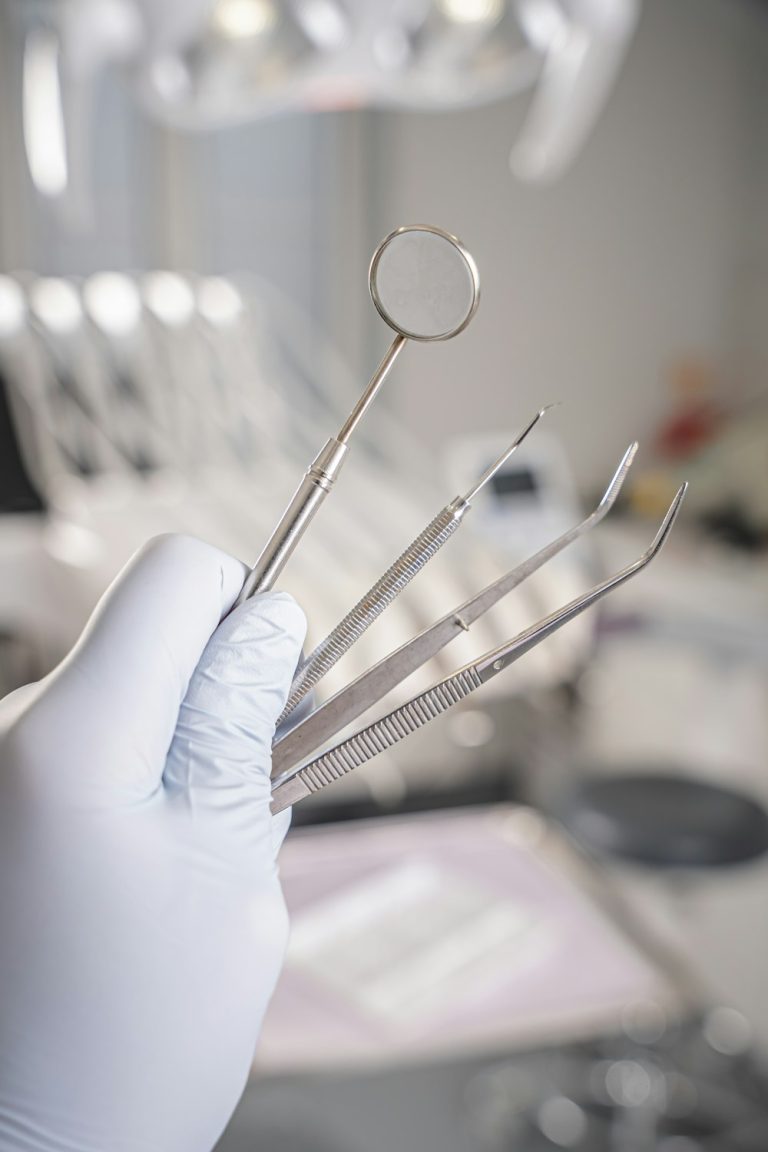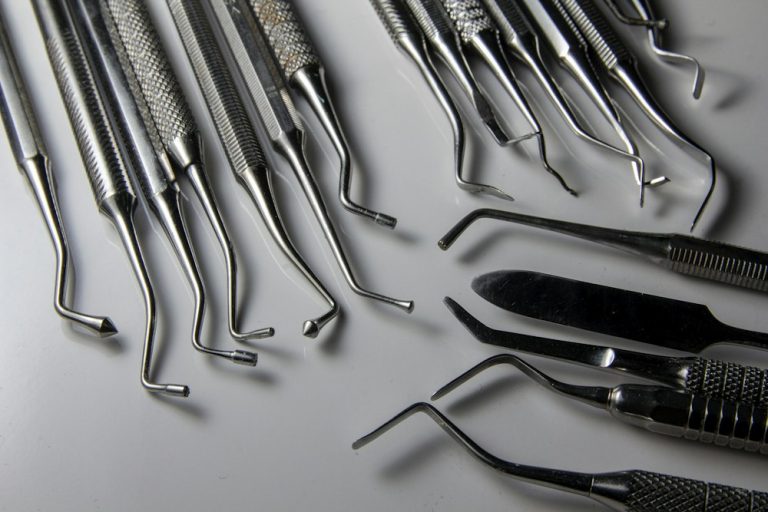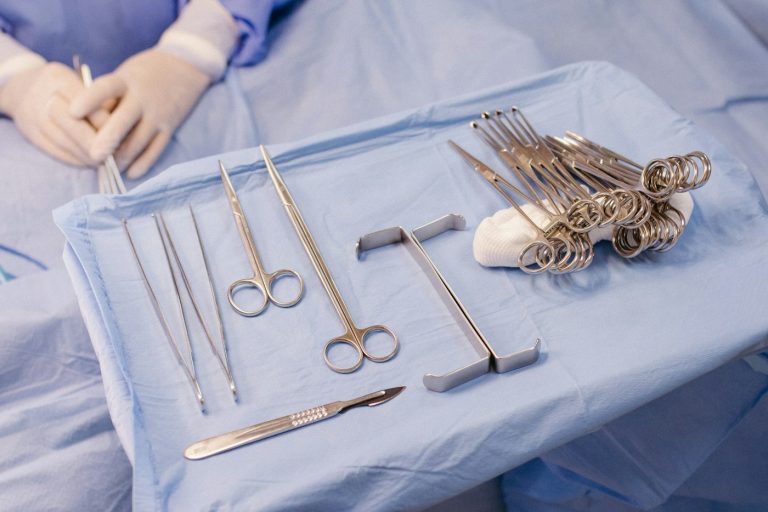
Tissue forceps: when to use toothed and when to use non-toothed
Toothed forceps hold firmly with less pressure; non-toothed forceps protect delicate tissue. A practical guide to the patterns on most trays.
Read article
Insights
Toothed forceps hold firmly with less pressure; non-toothed forceps protect delicate tissue. A practical guide to the patterns on most trays.
Read articleBoth are workhorse theatre scissors, but they are built for very different tissue. Here is how to tell them apart and when to reach for each.
Read articleExtraction forceps are shaped for a specific jaw and tooth. How to tell upper from lower patterns and what the beak shape tells you.
Read articleArtery forceps all clamp, but jaw pattern, teeth and length change what each one is for. A practical guide to the patterns you will see most.
Read articleGold-handled scissors and needle holders cost more up front. When the tungsten carbide inserts pay for themselves — and when standard steel is fine.
Read articleThe wrong needle holder bends needles, twists them in the jaw or wears out fast. How to match the pattern to the needle and the job.
Read articleGood exposure makes every other step easier. When to use hand-held retractors, when a self-retaining one frees up an assistant, and the patterns to know.
Read articleSend your list — names, codes or a full tray — and we’ll reply with availability and pricing.