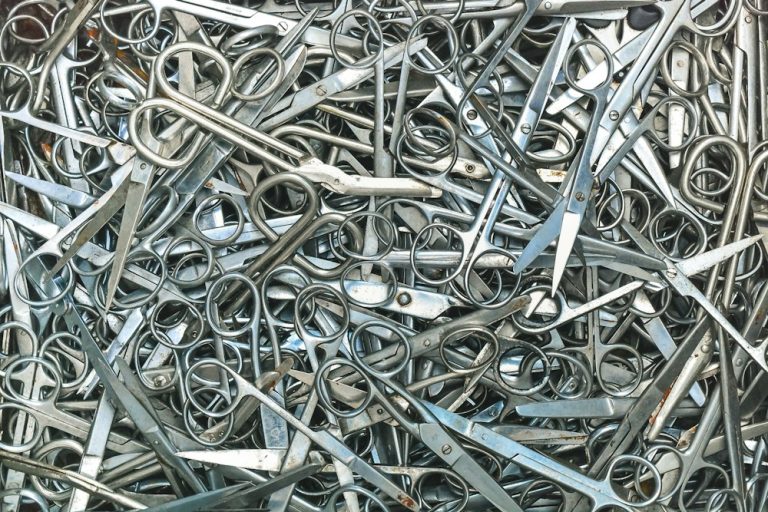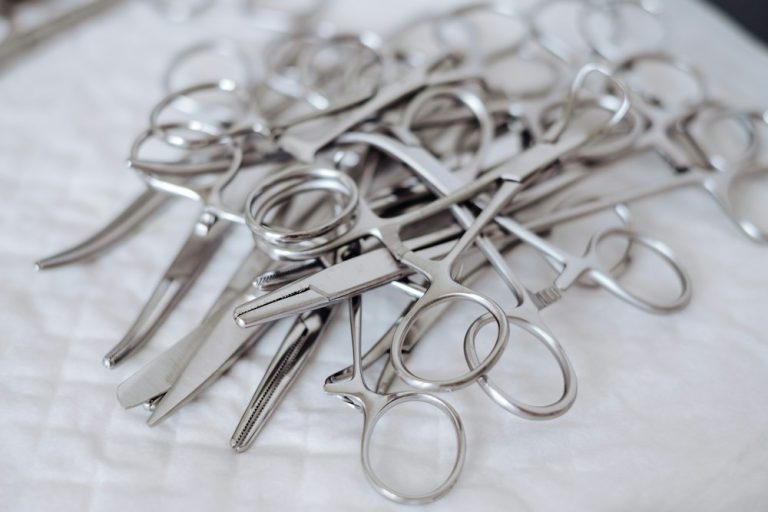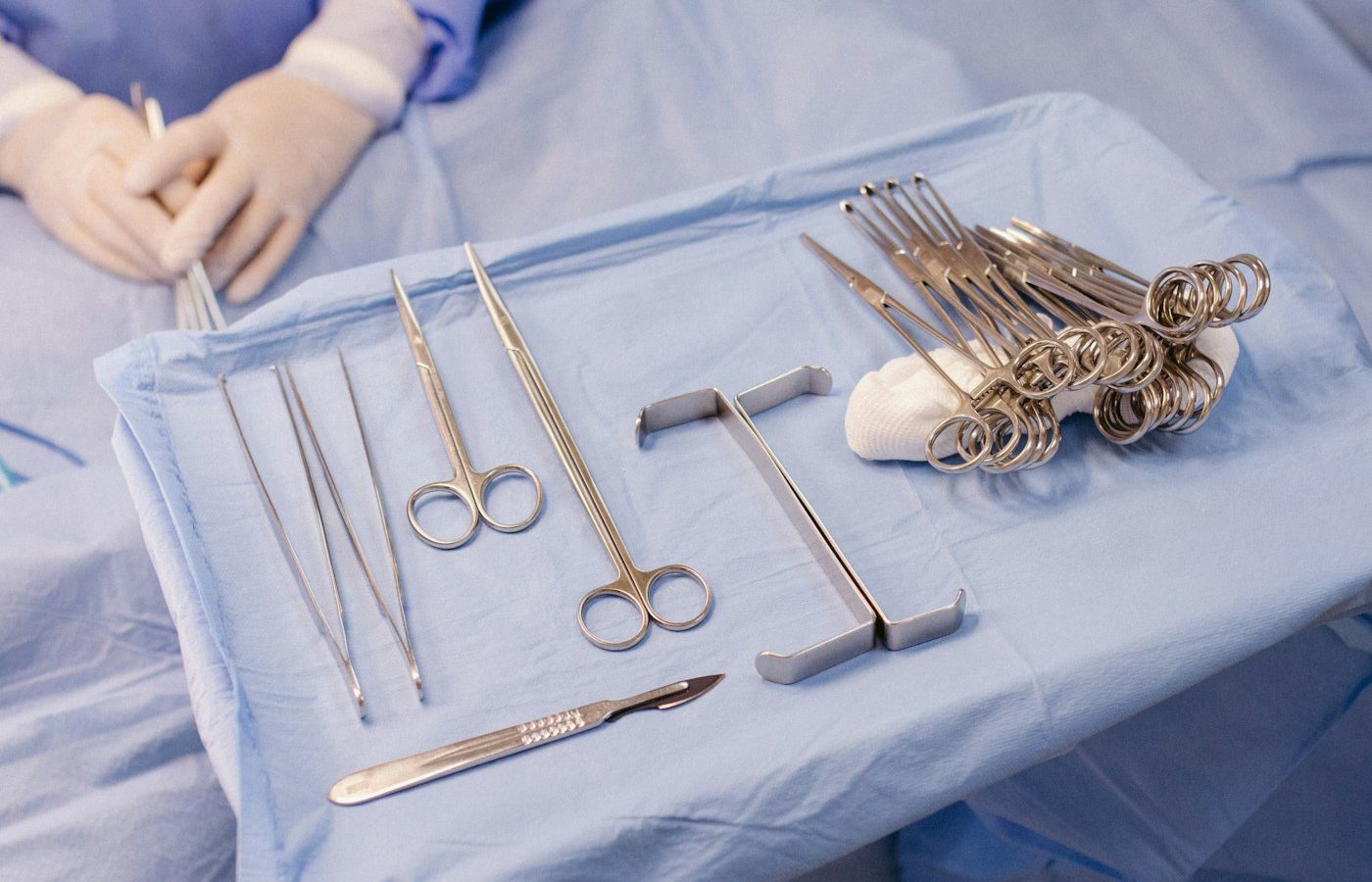
Many departments use a mix of reusable stainless steel instruments and single-use alternatives. Both have a place, and the right choice depends on how often the instrument is used, how it is reprocessed and what happens at the end of its life.
The case for reusable instruments
- Lower cost per use — a quality instrument that is looked after can last for years of procedures.
- Consistent feel — clinicians get the same balance and precision every time.
- Less waste — one instrument replaces hundreds of disposable items.
- Repairable — scissors can be resharpened and joints realigned.
The case for single-use
- No reprocessing — useful where decontamination capacity is limited, or in low-volume, remote or community settings.
- Always new — no wear, no risk of a blunt edge.
- Predictable stock — easy to budget per procedure.
Comparing the real cost
To compare fairly, work out the cost per use of the reusable option:
- The purchase price, spread over the expected number of uses.
- Reprocessing cost per cycle (washing, inspection, packaging and sterilisation).
- Repairs and replacements over its life.
Then set that against the single-use price plus its disposal cost. For instruments used every day in theatre, reusable usually wins; for occasional procedures, single-use can make sense.
Quality still matters
Whichever route you choose, the instrument has to do the job. A poorly finished reusable instrument fails early, and a flimsy single-use one frustrates clinicians. Ask for samples before switching a whole department.
We supply reusable surgical-grade stainless steel instruments. Send us your list and we will price it — we are happy to send samples.